
TMJ stands for temporomandibular joint, the hinge and gliding joint of the jaw. It’s the most functional joint of the body and is used by babies, even before they learn to crawl or walk. It’s essential for eating, licking, breathing, drinking, yawning, sucking, brushing, talking, and kissing!
TMJ is the proper name of the joint. Temporomandibular dysfunction (TMD) is the name of the joint issue resulting in symptoms.
The jaw has two joints, one on each side of the face, in front of each ear. The mandible is the lower part of the jaw. It depresses and raises to open and close the mouth and engages in anterior and posterior movement.
One of the more complex bones in the TMJ structure is the sphenoid bone. It’s shaped like a butterfly and forms the base of the skull, which makes it less visible from the exterior than some of the bigger bones. It’s so significant because it houses many neurovascular structures of the brain.
The temporal bone is one of the larger bones around the TMJ and has a large muscle attached to it, which can cause headaches. TMJ muscles include:
- Masseter – elevates the mandible
- Temporalis – elevates the mandible
- Lateral pterygoid – protracts mandible, depresses chin, and causes lateral deviation
- Medial pterygoid – elevates mandible and aids in protrusion
These muscles help move the jaw up, down, and sideways.
Just like your spine, your jaw has discs that help with joint function. Discs are fibrous extensions of the capsule that run between both surfaces of the TMJ joint and absorb the shock of the joint from movement and eating. Like the discs in our spines, they are very prone to disc disease, wearing down from talking, grinding, and other movements. When the discs are worn down, the mandible can rub on the temporalis bone, causing bone-on-bone pain.
The vagus nerve is an intricate part of the parasympathetic system, which attaches to the structures of the neck and courses through the body, interacting significantly with the diaphragm. Vagus nerve dysfunction has a number of significant adverse effects on the body, including:
- Anxiety
- Digestive issues
- Increased heart rate
- Respiratory problems
The mandibular nerve is another critical nerve in jaw function. It is responsible for the sensory and motor function of the lower face, including the jaw, teeth, and muscles. It provides sensation to the lip, chin, and tongue and controls mastication.
These two nerves, along with nine of the twelve cranial nerves, are responsible for taking the TMJ through its full range of motion so we can talk, chew, sing, smile, and laugh. Much of the pain in TMJ is caused by the retrodiscal tissue, which sits between the superior and inferior synovial cavities. This tissue is highly vascular and highly innervated. Therefore, when there’s inflammation or compression within the joint, pain can occur here.
TMD is more common in women between the ages of 20 and 40. American Scientific states that women speak close to 20K words daily, compared to 7K for men; therefore, women use their jaws more.
Why Is It Important to Work With a Team That Understands Personal Injury Cases?
Working with a team experienced in personal injury cases ensures proper documentation for legal and insurance purposes, coordinates care with attorneys and other providers, develops a treatment plan that supports both recovery and claim resolution, and bills and codes accurately according to personal injury insurance requirements. This clinic maintains a trusted network of personal injury attorneys, medical doctors, imaging centers, and rehabilitation providers to support patients through the entire process.
How Our Care Plan Works
Find It
Through our meticulous exam process we are going to find the root cause of your problem and show you exactly what is going on.
Fix It
We will develop a custom plan of attack using our comprehensive approach that won’t just have you feeling better in the short term but will give you the lasting results that you have been looking for.
Forget It
When you aren’t feeling 100% it is hard to focus on much else. Once we get you feeling and functioning better you will be able to forget all about your problem and get back to enjoying your life!
How We Treat TMJ Pain In Phoenix, AZ
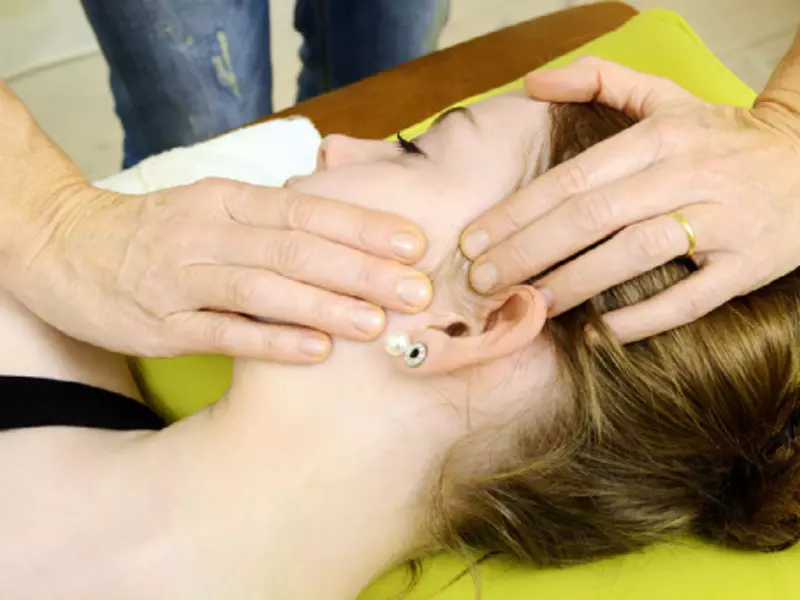
At Gonstead Physical Medicine, we’ll evaluate the jaw joint itself to figure out how to adjust it. We’ll also evaluate and X-ray the neck and create a TMJ relief treatment plan.
This treatment plan will address both the TMJ and misalignments of the cervical spine (neck) that may be causing joint, muscle, and nerve dysfunction in the jaw. We have a variety of tools to provide TMJ relief, including:
- Chiropractic adjustments for TMJ can be done via inter-oral adjustments, activator, and tool adjusting. Chiropractic treatment improves nerve and muscle function, increases range of motion, and improves dural movement.
- Cervical spine decompression helps reverse neck degeneration, preserving the nerves that directly or indirectly affect the face, neck, and brain.
- TENS, a form of low-voltage electrical nerve stimulation, decreases muscle spasms and helps alter your perception of pain.
- Posture correction will help you avoid anterior head carriage, which can lead to nerve dysfunction, especially in the neck, head, and face.
- Pterygoid massage will work out trigger points to reduce muscle tension in the jaw.
- Supplementation enhances healing, decreases inflammation, and increases antioxidants to reduce ligament strain, spasm, and bruxism.
- Nutritional guidance will help you improve your diet to reduce inflammation and support disc and ligament health.
- Improved sleep habits ensure your neck is not in lateral flexion all night, which may alter the structure of your cervical spine.
- Improved stress management will decrease jaw tension and teeth grinding, which leads to TMJ issues.
- Labs and IV therapy can support nerve function, improve TMJ disc health, decrease inflammation, and reduce pain.
- Breathing through your nose, not through the mouth, is ideal. Breath work can help improve your breathing habits, which will benefit respiratory function and oral hygiene.




Common Causes of TMJ Dysfunction in Phoenix, AZ
- Acute injury
- Wear and tear
- Grinding (bruxism)
- Stress
- Nutrient deficiency
- Subluxation (to the neck)
- Chewing ice or gum
- Sleeping position
- Dental problems
How To Prevent Jaw Pain and TMJ
There are many steps you can take to prevent TMJ pain, so you won’t be slowed down or miss out on the best things life has to offer.
Do:
- Improve your diet and supplementation
- Regular chiropractic evaluations to reduce cervical subluxation that interferes with jaw function
- Reduce stress to prevent bruxism (teeth grinding)
- Wear a mouthguard for sports to avoid injury
- Regular dental check-ups to prevent malocclusion, decreased range of motion, and decay
- Visit your dentist for a functional dentistry evaluation (prevention)
- Wear a night guard if teeth grinding is an issue while sleeping
Don’t:
- Botox (you can’t fix your body by disabling half the motion)
- Don’t chew gum
- Don’t chew ice
Common Symptoms of TMJ Dysfunction in Phoenix, AZ
- Arthritis
- Abnormal resting jaw posture
- Trouble breathing
- Popping and clicking
- Ear aches
- Grinding
- Headaches or Migraines
- Malocclusion (misfitting of teeth)
- Myofascial pain (pain involving muscles and fascia tissue)
- Toothaches
- Tinnitus (ringing in the ears)
- Tracking of the jaw when opening or closing
- Worn away teeth (flat teeth) on the left or right of the jaw

Check Out Our Location Near You
2735 W Union Hills Dr #102, Phoenix, AZ 85027
Frequently Asked Questions
Can chiropractic in Phoenix, AZ help with TMJ?
Yes! Chiropractors are musculoskeletal experts who restore joint function to optimize your nervous system. Chiropractic care is a natural, non-invasive, effective way to address the root cause of your symptoms and restore jaw function.
How do you permanently fix TMJ?
Stop masking symptoms with medication. We address the root cause of the problem so you can get long-term relief from your symptoms and improve your body’s function.
Can chiropractors crack jaws?
Chiropractors restore joint function, and they can do so in the jaw as well. A TMJ adjustment realigns the joints and restores balance to the surrounding musculature.
Can you fix TMJ without surgery?
Yes! Chiropractic care is a conservative approach that optimizes the nervous system to improve healing and function throughout the body. Surgery should always be the last resort, and we work to correct issues in a natural, noninvasive way, relying on the innate power of your body.
Why Is It Important to Work With a Team That Understands Personal Injury Cases?
Working with a team experienced in personal injury cases ensures proper documentation for legal and insurance purposes, coordinates care with attorneys and other providers, develops a treatment plan that supports both recovery and claim resolution, and bills and codes accurately according to personal injury insurance requirements. This clinic maintains a trusted network of personal injury attorneys, medical doctors, imaging centers, and rehabilitation providers to support patients through the entire process.
